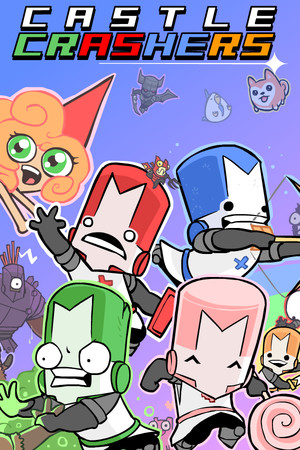
This guide contains light progression and boss-mode spoilers but does not list every character, weapon, animal orb, or achievement unlock.
Fast answer
The answer before the background
For a strong first run, choose any character you enjoy, put early points into Strength and Defense, and keep one point reserve when you are close to a useful Magic milestone. Learn to block before relying on attacks, then practice the basic lightweight juggle: jump, use two light attacks, then two heavy attacks. Clear the campaign in order, revisit stages for XP and gold when you struggle, and use food and shields deliberately. Do not rush into Insane Mode immediately after your first clear; first make sure you can control crowds, survive projectile-heavy rooms, and juggle common enemies consistently.
START HERE
A reliable plan for the first campaign
Pick the knight whose magic or appearance you like. The campaign is fully playable with every character, so there is no mandatory beginner choice. If you want the least complicated learning curve, use a character whose splash magic is easy for you to aim and save experimentation with unusual characters for later runs.
Your first objective is not perfect completion. Move through the map, learn each enemy's approach, and finish enough stages to unlock new routes. The official feature list confirms that progression includes character levels, four upgradeable attributes, weapons, animal orbs, and newly unlocked attacks. That means your first run naturally teaches the systems you need for later difficulty.
- Spend early points mainly on Strength and Defense. Strength shortens ordinary encounters, while Defense gives you more room to make mistakes.
- Add Magic when you actively use your character's spells, especially if you want stronger splash attacks or magic-based crowd control.
- Use Agility when you value movement, arrows, or a faster-paced ranged style. It is useful, but it is rarely the first stat a new player needs.
- Break objects and search side paths. They can provide food, gold, weapons, or other useful finds, but do not stop a safe run just to search every corner.
| Situation | Recommended response |
|---|---|
| Normal stage | Group enemies, block projectiles, and finish isolated targets before charging ahead. |
| Low health | Look for food, replay an easier stage, or return to the map rather than spending every potion. |
| Boss wall | Study the attack pattern, change your weapon or orb, and gain a level if the fight remains inconsistent. |
| New character test | Use an earlier stage to learn the character before committing to a difficult map section. |
A Strength-first build is simple and effective for learning, but there is no universally correct stat order. Magic-focused characters can become more comfortable once their useful thresholds are reached, while Defense becomes increasingly valuable when enemies punish mistakes.
COMBAT
The habits that make stages safer
Blocking is your emergency button, not a sign that you are playing slowly. Use it when arrows, bombs, magic, or a boss attack is about to connect. After blocking, move to the side and punish the attacker rather than staying surrounded. Against several enemies, positioning is often more important than dealing maximum damage immediately.
Avoid repeating the same ground combo into a crowd. Normal enemies can recover and retaliate after repeated hits, so attack briefly, reposition, and look for a single enemy you can launch. Air attacks are especially valuable because they keep many targets from striking back while you continue the combo.
Your first juggling goal is consistency, not style. The commonly used lightweight sequence is two light attacks followed by two heavy attacks, often written as LLHH. Practice it against early enemies or a safe stationary target. Move forward during the light attacks and pause your horizontal movement during the heavy attacks so you do not outrun the target.
Enemy weight matters. Light enemies are the best place to learn; medium enemies need adjustments because they fall differently; heavy enemies require tighter timing and may be safer to handle with ground attacks during the campaign. A community mechanics reference documents these weight classes and recommends learning lightweight juggles before heavier variants.
- Do not chase a knocked-down enemy into another group. Reset your position first.
- Use magic to control space or finish a dangerous target, not only as a panic button.
- When a beefy enemy appears, watch for its grab instead of jumping directly over it.
- In co-op, revive fallen teammates when the area is safe, but do not trade your own life for a risky rescue.
| Skill to learn | Why it matters |
|---|---|
| Block and retreat | Stops many incoming threats and gives you time to reset the fight. |
| Lightweight juggle | Deals repeated damage while keeping common enemies out of their attack cycle. |
| Crowd separation | Prevents projectiles and melee attacks from arriving at the same time. |
| Air recovery | Helps you escape after being knocked down instead of accepting a second hit. |
The official page verifies that the game has combo and magic progression. Exact juggle inputs and enemy weight behavior come from a detailed community mechanics guide, so treat timing advice as practical guidance rather than an official control manual.
PROGRESSION
How to level, spend gold, and prepare for harder runs
Every completed stage does not need to be a one-time event. If a new area feels overwhelming, replay a familiar level to earn experience and gold while practicing the combat skill that caused the failure. Repeating a short, safe stage is usually more useful than repeatedly losing near the end of a long one.
Keep more than one weapon available when possible. A weapon that improves damage may help a boss, while another may make movement, magic, or survivability more comfortable. Likewise, animal orbs are tools for specific problems: use a damage-oriented companion for ordinary fights, a utility companion when searching, or a defensive option when learning a difficult section. The best choice depends on your character and platform edition.
Do not treat level 99 as the first-run target. Your practical goals are to unlock the attacks you use, build enough health and damage to finish the campaign, and become comfortable with enemy patterns. Later levels and stronger equipment matter more when you are deliberately preparing for Insane Mode or completion goals.
- Buy useful supplies before a difficult boss, but keep enough gold for weapons or upgrades you genuinely want.
- Change equipment after testing it in a familiar stage; menu numbers do not always reveal which option feels best to you.
- If your damage is low, add Strength or improve your weapon before assuming the stage requires a hidden trick.
- If you die quickly, Defense, blocking, and better positioning usually help more than another small damage increase.
| Progression phase | Main goal |
|---|---|
| Early campaign | Learn blocking, basic combos, food locations, and one dependable stat plan. |
| Mid campaign | Add juggling, test weapons and orbs, and replay stages when your level falls behind. |
| First clear | Finish the route, identify difficult encounters, and note which mechanics still cause deaths. |
| Preparation for Insane | Maximize comfort with your character, improve crowd control, and practice enemy-specific juggles. |
Do not restart a character because the first few stat points were imperfect. The campaign is forgiving enough to finish with many different builds, and the knowledge gained from one run is usually worth more than a theoretically perfect opening.
HARD MODE
When to start Insane Mode
Insane Mode is the game's major campaign challenge, and it is not simply a faster version of Normal. Enemies are substantially less forgiving, projectiles and crowd pressure matter more, and mistakes that were harmless in the first run can end a fight. The official game page identifies it as the ultimate campaign challenge; community references document that access is tied to campaign completion and character progression rather than being a beginner setting.
Before starting, complete the campaign with the character you intend to use, learn the lightweight juggle, and practice blocking through projectile-heavy stages. You do not need perfect execution, but you should be able to control at least one enemy without immediately dropping the combo. If you cannot yet do that, replay early stages and practice instead of farming levels blindly.
A strong Insane Mode route is to clear difficult sections in short attempts, remember where food and major threats appear, and change your approach when a room repeatedly defeats you. Juggling is excellent for common enemies, but bosses, beefy targets, and special encounters may require blocking, magic, ground attacks, or a weapon change.
- Start with a character whose magic and movement you already understand.
- Practice lightweight enemies first, then medium and heavy targets as needed.
- Do not assume a high level replaces execution; hard-mode damage and crowd pressure still punish careless positioning.
- Use community guides for advanced routes only after learning the underlying mechanics, because exploits and shortcuts can vary by platform or patch.
| Ready for Insane when... | Still wait if... |
|---|---|
| You can block projectiles without freezing in place. | You spend most fights attacking while surrounded. |
| You can perform a basic lightweight juggle several times in a row. | You have never practiced air attacks. |
| You know when to retreat for food or space. | You use every potion before the hardest section. |
| You can explain why you died and change your plan. | Each defeat feels random because enemy patterns are unfamiliar. |
The broad preparation advice applies across modern editions, but exact unlock behavior, downloadable content, achievements, and control mappings can differ between PC, console, and older releases. Check platform-specific documentation before following an exploit or trophy route.
FAQ
Common questions
What should I level first?
For a straightforward first campaign, prioritize Strength and Defense. Add Magic when you use spells regularly or want to reach a specific magic milestone, and choose Agility when movement or arrows are central to your playstyle. The important beginner mistake is spreading every point evenly without a purpose.
How do I learn juggling without getting frustrated?
Start with lightweight enemies in an early stage or a safe practice area. Learn the rhythm of two light attacks followed by two heavy attacks, then work on moving forward during the light attacks and holding position during the heavy attacks. Practice one enemy at a time before trying to maintain a group juggle.
Should I use a guide from Reddit for advanced runs?
Reddit and Steam community guides can be useful for juggle timing, boss tactics, and platform-specific discoveries, but they are not official documentation. Check the date, platform, and edition before copying a shortcut. Prefer advice that explains the mechanic rather than relying only on an exploit.
When should I begin Insane Mode?
Begin after your first campaign clear with the character you plan to use, once you can block reliably, manage crowds, and perform a basic lightweight juggle. Extra levels and better equipment help, but they do not replace learning enemy patterns. Treat the first Insane attempt as a mechanics test, not just a stat check.
Is there a single best weapon or animal orb?
No single choice is best for every character, stage, and platform edition. Test equipment in a familiar level and choose the option that improves the problem you are currently facing: damage, survivability, movement, magic, or utility. A flexible loadout is more useful than blindly copying a tier list.
Sources
What we checked
Official listings establish current availability and product facts. Community pages are used for mechanics and build history, then labeled separately.