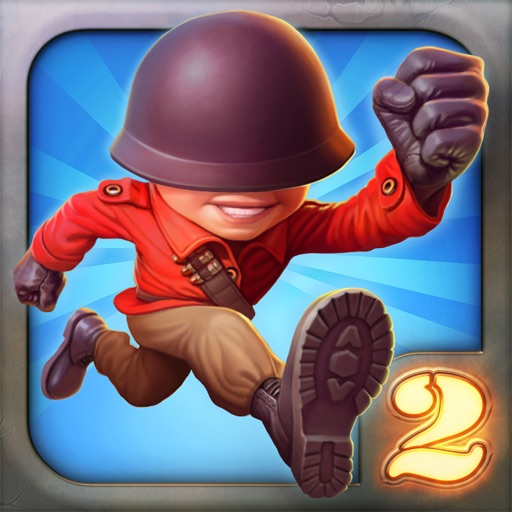
The game includes cartoon combat, guns, explosions, and fantasy-style violence, but it is presented in a light, non-realistic style.
Fast answer
The answer before the background
Fieldrunners 2 is still worth playing if you want a focused single-player tower-defense game built around route manipulation rather than hero collecting or live-service progression. Its strengths are excellent map design, varied towers, multiple challenge modes, and enemies that make your maze-planning matter. It is less suitable if you want modern accessibility, frequent updates, or a frictionless mobile interface. Buy it on Steam for a straightforward Windows version; choose the Apple release for touch controls, but check device compatibility and expect some legacy UI rough edges.
Verdict
A refined tower-defense sequel that rewards planning
The core idea is simple: stop waves of fieldrunners from reaching their destination by placing defensive weapons and shaping the route they must follow. What makes the sequel engaging is that the route is not just a line to guard. You are constantly deciding where enemies should travel, how long they should remain inside a kill zone, and when a cheap tower is worth more than saving for a stronger option.
That system gives every map a useful sense of geometry. A successful defense often comes from creating a long, awkward path rather than filling the entrance with expensive firepower. The official feature list supports that design emphasis, highlighting dynamic enemy paths, custom loadouts, upgradeable weapons, air strikes, mines, trenches, bridges, and tunnels. This is a substantial toolkit for a game whose individual rules are easy to understand.
The result is a game that feels more like a puzzle than a conventional shooting gallery. You can often identify why a defense failed, then improve it by changing the order of towers, delaying an upgrade, or making the route longer. That clarity is the main reason the game remains enjoyable years after release.
- Best for players who like pause-and-plan strategy.
- Strong fit for short sessions that can turn into longer problem-solving runs.
- Less appealing if you dislike repeating maps to perfect a defense.
Recommended for tower-defense fans, strategy newcomers who enjoy learning through failure, and players seeking a self-contained single-player campaign. Approach it cautiously if you need modern touch layouts or ongoing developer support.
Strengths
Why the campaign still works
The campaign has a useful mix of ordinary defense maps and rule changes. The official listing calls out Puzzle, Sudden Death, and Time Trial maps, so the game does not rely on one repeated wave structure. These modes test different skills: efficient placement, rapid decision-making, and the ability to survive under unusual constraints.
The tower roster is another major strength. The store description advertises 20 unique, upgradeable weapons, plus special tools such as air strikes, mines, and other items. That variety encourages experimentation without turning the game into a complicated spreadsheet. You learn broad roles first, such as direct damage, slowing, area control, and route manipulation, then refine your loadout for a particular map.
Presentation also helps. Its hand-painted 2D art remains readable during crowded waves, and the exaggerated enemy designs keep the tone playful. The visual style is dated, but it has aged better than many realistic-looking games from the same period because clarity matters more than technical spectacle here.
The contemporary critical response was favorable, especially for the original iOS release. Metacritic records an 87 critic score from 19 reviews for iPhone and iPad, while TouchArcade praised the sequel for making enemies and pathing more interesting without abandoning the series’ accessible foundation. Those scores are historical evidence, not a substitute for testing modern device compatibility, but they match the game’s enduring strengths.
- Readable maps and clear defensive roles.
- Multiple challenge formats add replay value.
- Enemy routing makes placement feel meaningful.
- The campaign is self-contained rather than dependent on multiplayer or seasonal content.
Limitations
Where the age shows
Difficulty is the first limitation. The colorful presentation can suggest a casual experience, but later maps and higher settings demand careful optimization. Players who prefer a relaxed campaign may find the harder objectives frustrating, especially when a small placement mistake forces a restart. The game teaches its fundamentals well enough, but it does not always explain the best answer to a difficult map.
The second limitation is long-term maintenance. The Steam version remains available and has positive user feedback, but its listed system requirements still describe an older Windows release. Steam notes that the Steam Client supports Windows 10 and later, while the game itself lists Windows XP-era requirements. That combination means the title is lightweight, but it is not a modern PC remaster with guaranteed contemporary conveniences.
The Apple version is available for current iPhone and iPad operating systems, yet recent App Store reviews report problems involving edge controls, screen layout, and purchasing or placing objects on newer phone designs. These are user reports rather than a universal failure, so they should be treated as a compatibility warning, not proof that every device is affected.
Finally, the Android version is not a sensible current recommendation. AppBrain records that it was removed from Google Play on April 29, 2024, with version 1.8 as the last available release. Avoid unofficial downloads unless you fully understand the security and compatibility risks; no current official Android storefront listing was verified here.
- Expect a learning curve on tougher maps.
- Do not assume every modern phone layout is fully comfortable.
- Android is no longer an officially supported purchase route through Google Play.
- There is no verified current official listing in this review for newer consoles.
Historical references mention additional releases, including handheld versions, but current availability is not the same as original platform support. This guide only recommends platforms with a presently verifiable store listing.
Buying advice
Which version should you choose?
Choose Steam if you want the least complicated current route. The official store lists the game for Windows, includes single-player support, and provides a conventional mouse-and-keyboard setup. It is also the clearest option for playing on a modern Windows PC, although the game remains an older release rather than a newly maintained edition.
Choose Apple if touch controls are part of the appeal and you use a compatible iPhone or iPad. The United States App Store listing currently requires iOS or iPadOS 15.6 or later and includes the original campaign features, challenge maps, upgrades, and optional in-app purchases. Before buying, check how your device handles edge gestures and zooming.
Do not choose based solely on historical platform lists. A title can have released on a platform years ago while no longer being downloadable, supported, or easy to run. For this game, current store visibility matters more than the broad list of devices associated with its 2012 and 2013 releases.
If you want similar games, look for tower-defense titles that emphasize route control and fixed-map planning rather than collectible heroes. The closest alternatives will feel best if they let you solve maps through placement and timing, not simply by raising character levels. That is the specific quality this game still delivers unusually well.
- Best overall purchase route: Steam on Windows.
- Best touch-first route: current iPhone or iPad, after checking compatibility.
- Avoid unofficial Android copies.
- Buy for strategic replayability, not modern presentation or active support.
| Player priority | Best fit | Reason |
|---|---|---|
| Precise placement and easy restarts | Steam | Mouse control and a stable desktop presentation. |
| Portable touch play | Apple devices | The current official mobile listing supports iPhone and iPad. |
| Modern live-service progression | Neither version | The game is a traditional self-contained campaign. |
| Free Android access | Neither official route | The Android listing is no longer on Google Play. |
FAQ
Common questions
Is it still worth buying?
Yes, if you enjoy traditional tower defense and do not need modern live-service features. The strategic map design, varied defenses, and challenge modes remain the strongest reasons to play.
What are the best current platforms?
The clearest current options are Steam on Windows and the Apple App Store on compatible iPhone and iPad devices. Android distribution is no longer active through Google Play.
Is it easy for casual players?
The basic rules are approachable, but later maps can be demanding. It suits casual players who enjoy learning from failed attempts more than players seeking a consistently relaxed experience.
Does it require in-app purchases?
The Apple listing includes optional in-app purchases, while the game’s original design is a complete tower-defense campaign. Treat purchases as optional rather than necessary to understand the core experience.
What games are similar?
Look for single-player tower-defense games centered on maze-building, choke points, tower upgrades, and fixed-map optimization. Those traits are more important than matching the setting or art style.
Sources
What we checked
Official listings establish current availability and product facts. Community pages are used for mechanics and build history, then labeled separately.