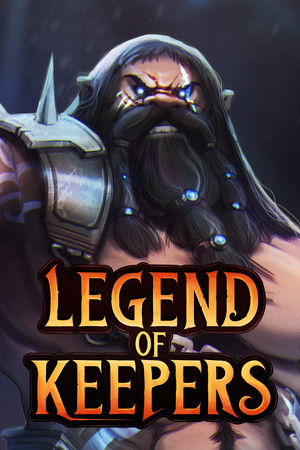
This page contains progression spoilers for master unlocks and names several hero and monster groups.
Fast answer
The answer before the background
The playable roster is built around dungeon masters, not heroes. The base game starts with Maug, the Slaveholder, then unlocks Sarel, the Enchantress, when Maug reaches level 5, and Lira, the Engineer, when Sarel reaches level 6. Each master changes your strongest tools: monster support and morale pressure, spells and damage-over-time effects, or traps and mechanical units. Monsters are your dungeon employees, recruited during runs and placed in two monster rooms. Heroes are enemy classes arranged into regular tiers and champion encounters. The released Return of the Goddess DLC adds a goddess-themed master campaign, mummy monsters and pyramid missions.
Roster overview
What counts as a character?
There are three useful character categories. Masters are the characters you control directly and the only characters whose persistent talent progression carries between runs. Monsters, also called employees, are recruited units that defend the dungeon in groups of up to three per monster room. Heroes are the invading adventurers that move through traps and monster rooms before reaching the master.
The Steam store describes the game as a reverse dungeon crawler: you inspect the incoming heroes, place traps and monsters, then watch the invasion play out in turn-based battles. That distinction matters when searching for a named character. Maug, Sarel and Lira are playable masters; Barbarian, Priestess and Knight are enemy hero classes; and Gargoyle, Skeleton Soldier and Harpy are recruitable employees.
- Masters define the run's campaign, talents, spells and starting roster.
- Monsters provide damage, defence, morale pressure, buffs and status effects.
- Heroes are opponents, not characters you can select for normal play.
- Champions are stronger hero encounters, including Archmage, Druidess, Hoplite, Huntress, Necromancer and Pyromancer.
| Category | Role | Examples |
|---|---|---|
| Masters | Playable dungeon managers | Maug, Sarel, Lira |
| Monsters | Recruitable employees in dungeon rooms | Gargoyle, Naga, Skeleton Lord |
| Heroes | Invading adventurers | Barbarian, Sorcerer, Knight |
| Champions | Powerful hero encounters | Archmage, Necromancer, Pyromancer |
Community databases may list planned, removed or unimplemented heroes alongside released characters. Treat entries marked unimplemented as reference material, not guaranteed playable content.
Playable masters
Roles and unlocks
Maug, the Slaveholder Centaur, is the starting master. His identity is built around supporting monsters and weakening hero morale. He is the most straightforward entry point because his plan is usually to make the employee roster do the work while the master supplies support and finishing pressure.
Sarel, the Dryad Enchantress, becomes available when the Slaveholder reaches level 5. Her role is spell-focused. She is particularly suited to stacking damage-over-time penalties, reducing resistances and exploiting elemental or nature-based combinations. Her campaign also gives the roster access to Enchantress-specific options, including the Treant line noted by the community reference.
Lira, the Monkey Engineer, unlocks when the Enchantress reaches level 6. Her strongest identity is trap management, with mechanical employees supporting a plan built around repeated trap value. If you prefer to damage heroes before they reach combat, her role is the clearest fit.
The official DLC announcement for Return of the Goddess confirms a separate goddess master campaign, five pyramid missions and mummy monsters. The announcement does not provide every character detail in its short store notice, so use the in-game selection screen for the exact DLC name and availability on your platform.
- Start with Maug if you want the clearest introduction to morale, monster support and general dungeon management.
- Move to Sarel when you want spells, resistance reduction and damage-over-time setups.
- Choose Lira for a trap-led strategy and mechanical employee synergies.
- Master experience is awarded when a run ends or is lost, rather than being granted immediately after every individual week.
| Master | Unlock | Primary role | Best starting question |
|---|---|---|---|
| Maug, Slaveholder | Available at the start | Monster support and morale pressure | Which employees can survive and weaken this party? |
| Sarel, Enchantress | Reach level 5 with Maug | Spells, penalties and resistance reduction | Which effects can I stack before the final room? |
| Lira, Engineer | Reach level 6 with Sarel | Traps and mechanical units | Can the traps solve most of the party before combat? |
| Goddess-themed master | Return of the Goddess DLC | Pyramid campaign and mummy roster | Do I own and have enabled the DLC? |
The level requirements are tied to the previous master's progression, not to a single achievement or a random merchant offer. Finish or lose runs to receive master experience, then spend the resulting talent points.
Employees and enemies
How roles work in battle
Monster roles are more important than simply choosing the highest displayed damage. Every hero party exposes resistances, health, morale and abilities before the defence begins. Use that information to decide whether the room should kill heroes through health damage, force them to flee through morale damage, or prepare them for the next room with penalties.
Common monsters form the flexible core of a roster. Rare monsters are less frequent but can define a room's plan. Master-exclusive units are tied to a particular manager or talent progression, so they should be evaluated as part of that master's strategy rather than as universally best recruits. The community roster identifies examples such as Orc and Vampire for the Slaveholder, elemental units and Treant-related options for the Enchantress, and mechanical units such as Mechanic, Roaster and Steel Golem for the Engineer.
Monster types also matter because some artifacts affect an entire type. The reference roster identifies Skeleton, Demon, Creature, Elemental and Mecha categories, plus a master-specific Treant type. When choosing between two similar units, check whether one benefits from your current artifacts or talent plan.
A practical room-building sequence is simple: first identify the most dangerous hero damage type, then place a durable or resistant front unit, add a damage dealer that exploits a weakness, and finish with a support or status unit. Keep a replacement plan in reserve because defeated monsters lose motivation and may become unavailable after repeated losses.
- Use physical, fire, ice, nature, air or morale damage according to the enemy party's weaknesses.
- Do not split every room evenly between health and morale unless your master and monsters support both routes.
- Group monsters whose effects interact, such as a unit that applies a penalty and another that gains value against penalized targets.
- Check motivation before committing a valuable employee to another room.
- Use the garrison to recover motivation when a key monster is not needed for the next defence.
| Role | What it contributes | When to prioritize it |
|---|---|---|
| Frontline | Absorbs attacks and protects fragile units | The party has strong direct damage |
| Damage dealer | Removes health or morale quickly | A clear resistance or weakness is visible |
| Debuffer | Applies bleeding, poison, burning, slowing or similar effects | The run is built around status stacking |
| Support | Heals, buffs, protects or improves the room | A long fight or fragile damage plan is expected |
| Trap specialist | Adds damage or penalties before combat | Heroes are vulnerable before reaching a monster room |
There is no single best roster for every run. The right employees depend on the master, available artifacts, dungeon order, hero resistances and whether you are pursuing health damage or morale damage.
Named questions
Quick answers about the roster
The most common confusion is treating every named unit as a playable character. In normal play, only masters are selected at the start of a run. The rest of the named roster either invades your dungeon or works for it.
- Maug is the starting master and represents the Slaveholder class.
- Sarel is the Enchantress and unlocks after Maug reaches level 5.
- Lira is the Engineer and unlocks after Sarel reaches level 6.
- The heroes are not playable in the standard campaign; they are enemy groups sent against your dungeon.
- Gargoyle can be recruited by any master according to the community roster reference, while some units are restricted to a master or special source.
- The official base game includes three original master classes. DLC adds separate campaign content rather than turning hero classes into playable characters.
| Question | Answer |
|---|---|
| Who is the first character? | Maug, the Slaveholder, is the starting master. |
| How do I unlock Sarel? | Reach level 5 with Maug. |
| How do I unlock Lira? | Reach level 6 with Sarel. |
| Can I play as the heroes? | Not in the normal dungeon-manager campaign. |
| Are all monsters available to every master? | No. Some are common, while others are master-specific, summoned or tied to special content. |
| Is Golthor a base-game master? | The name appears in achievement and DLC-related material, but the short official store information does not establish a complete roster entry. Check the in-game DLC selection screen before relying on third-party lists. |
The master unlock chain and the broad hero and monster categories are supported by the listed references. Exact DLC character naming and some expanded roster entries should be checked in the current game build, because community pages can preserve historical or unimplemented data.
FAQ
Common questions
What is the best master for a new player?
Maug is the safest starting point because he is available immediately and teaches the core loop of recruiting monsters, supporting rooms and managing hero morale. Sarel and Lira become easier to understand after you have learned how enemy resistances and dungeon order work.
Do master unlocks reset between runs?
The master progression system is persistent. Run experience is applied when a run ends or is lost, and talent points improve that master's future runs. Individual recruited monsters and temporary run resources do not function like permanent master levels.
Should I kill heroes or break their morale?
Use whichever route your roster supports most consistently. Health damage is usually reliable against parties with low life or vulnerable resistances, while morale damage can make tougher heroes flee and may avoid death-trigger effects. Avoid spreading upgrades randomly across both plans.
Why are some monsters missing from my recruitment options?
Recruitment is affected by the master, current run rewards, merchants, events, talent progression and special content. Master-exclusive and DLC-related employees will not necessarily appear in a base roster or for another manager.
Are the hero tiers a playable progression system?
No. Tier 1, Tier 2 and Tier 3 describe enemy hero strength and role progression. Champions are stronger encounters that test the dungeon before the surviving party reaches the master.
Sources
What we checked
Official listings establish current availability and product facts. Community pages are used for mechanics and build history, then labeled separately.
- OfficialOfficial Steam store page for the released game, features, release date and DLC list
- OfficialOfficial Goblinz announcement for the full release and added heroes and monsters
- OfficialOfficial Return of the Goddess announcement confirming the DLC master campaign, missions and mummy monsters
- CommunityCommunity reference for master names, roles and progression unlocks
- CommunityCommunity reference for hero tiers, champions and named hero classes
- CommunityCommunity reference for monster roles, types, rarities and master restrictions