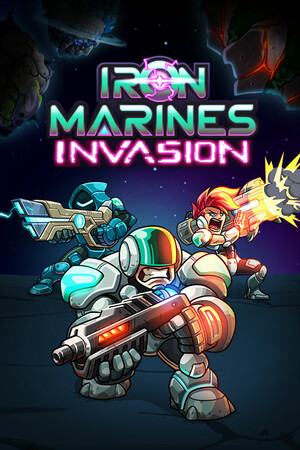
The game has no official developer-published tier list, and public community rankings can differ by difficulty, squad composition, and player control. Zhara is listed in the current store catalog, but her complete ability data was not consistently available in the sources checked, so she is not put
Fast answer
The answer before the background
For most players, Halford is the best all-purpose choice. His mobile area damage, decoy clones, and long-range poison field work in campaign missions, special operations, and difficult chokepoints. Ultra is the best defensive alternative because she can protect nearby allies from damage and summon extra soldiers. Munsai is the strongest free specialist for scouting, rapid movement, and deleting priority targets. If you own premium heroes, Kendra is the most flexible damage dealer, Red Dragon is excellent against air-heavy or elite waves, and Kosmos is best when you need durability and large area control.
Quick verdict
Best heroes at a glance
There is no single winner for every map. Iron Marines Invasion is built around changing squad selections, defensive towers, terrain, enemy types, and mission objectives. A hero that dominates a moving assault can be less useful when the objective is to protect a refinery or hold two command centers.
The rankings below prioritize repeatable value: damage that works against groups, abilities that solve common mission problems, and usefulness without requiring a very narrow build. That makes Halford the best default recommendation, but not the automatic choice for every stage.
- Best overall: Halford.
- Best free defensive leader: Ultra.
- Best free late-game specialist: Munsai.
- Best premium generalist: Kendra.
- Best for air pressure and elite targets: Red Dragon.
- Best for durability and boss-area control: Kosmos.
- Best crowd-control specialist: Bomett.
- Best frontline tank and defensive anchor: Gauntlet.
| Rank | Hero | Best use | Main limitation |
|---|---|---|---|
| S | Halford | All-purpose campaign and chokepoints | Needs active positioning to maximize Gun Jutsu |
| S | Ultra | Defense, squad protection, and pushes | Works best when allied units stay nearby |
| S | Munsai | Scouting, assassinating, and fast assaults | Less forgiving if separated from support |
| A | Kendra | Flexible area damage and mixed waves | Her two cores serve different jobs and require switching |
| A | Red Dragon | Air threats, elite targets, and burst damage | Less efficient when enemies are spread widely |
| A | Kosmos | Bosses, large waves, and survival | Slow Stellar Breath timing and low basic range |
| A | Bomett | Stuns, slows, traps, and clustered enemies | Lower direct durability |
| A | Gauntlet | Frontline holding and defensive waves | Short-range focus limits offensive maps |
Ironhide describes heroes as tactical units with unique skills, and the store listing confirms nine heroes, campaign missions, special operations, multiple difficulties, and offline play. The letter grades and rankings are recommendations, not official balance labels.
Free roster
Who to use without buying heroes
Halford should be your default investment. Gun Jutsu attacks every enemy around him, and its mobility upgrade lets him keep dealing damage while repositioning. Holoclones redirect enemy attention, which can save a damaged squad or buy time at a chokepoint. Suppressive Fumes adds remote area damage and can slow enemies after upgrading it. This combination gives him answers to swarms, pressure on a narrow route, and emergencies where a unit needs to retreat.
Ultra is the better choice when the mission is about keeping troops alive rather than simply killing enemies. Every Soldier Is a Hero can make nearby allies invulnerable, while the higher upgrades improve its reliability and can prevent Ultra from dying while an affected ally remains. Bravo Team adds temporary soldiers and, with upgrades, landmines and extended battlefield time. Keep her close to the main army and use her protection during a major wave, not immediately when the first enemy appears.
Munsai is the most specialized free hero and becomes particularly valuable once missions demand more map awareness. Mind's Eye reveals a wide area through fog, height differences, and obstacles. Nitojutsu Master improves his speed and melee damage while helping him ignore enemy effects, and Jiken summons a large group of spirits. Use him for unexplored routes, fast objective captures, dangerous priority enemies, and missions where surprise attacks are the main threat.
- For a first playthrough, level Halford first, then Ultra or Munsai based on whether you struggle more with damage or survival.
- Do not judge Munsai only by basic attacks; his value rises sharply when Mind's Eye and Jiken solve a map-specific problem.
- Use Ultra with durable or numerous squads that can remain inside her protection range.
Premium roster
Best paid options by role
Kendra is the strongest premium generalist because she can switch between two distinct damage patterns. Multi-Core ricochets between enemies and can add vision or stun utility. Flame Core provides fire damage, an area burst, and temporary defensive value. Disintegration Beams then gives her a powerful targeted area strike from her ship. Choose Kendra when you do not yet know what the stage will demand or when the enemy roster mixes swarms with tougher units.
Red Dragon is the best premium answer to maps with aerial pressure or high-value targets. His focused ray supplies sustained damage, Techbot adds a melee body and control, and Saturation Bombing gives a large orbital strike. He is especially useful when your selected squads are busy handling ground enemies and the hero must cover air threats or punish a concentrated push.
Kosmos is a durable area-control hero rather than a fast basic attacker. His Stellar Breath can create a damaging star, Draconic Barrage can affect enemies or support allies, and Bioengineers can heal him or fight nearby enemies. He is a strong boss and survival pick, but his charge-based star requires planning; release it too early and much of its potential is lost.
Bomett is the best premium control specialist. Shock Pack stuns, Ground Sentry traps approaching enemies, and Bouncing Bombs expand their damage area with successive bounces. Pick him for clustered waves, narrow lanes, and stages where stopping an attack is more important than winning a straight damage race. Gauntlet is the safest premium frontline option for defensive missions, using shockwaves, self-repair, movement speed, and Stinger drones to hold a position.
- Buy Kendra for the broadest premium coverage.
- Choose Red Dragon for air-heavy stages and concentrated burst damage.
- Choose Kosmos or Gauntlet when survival matters more than speed.
- Choose Bomett when repeated stuns, slows, and traps fit the map.
Mission planning
Best hero by mode, stage, and goal
For normal campaign progression, start with Halford. His abilities remain useful even when the map changes from open combat to narrow defensive lanes. On early stages, focus on Gun Jutsu and use Holoclones to absorb attention while your squads capture objectives.
For defensive missions, refinery protection, and the two-command-center objective in Enemy of Mine, use Ultra or Gauntlet. Ultra protects the units doing the actual defense, while Gauntlet physically anchors a dangerous route and adds persistent drone fire. Bomett is a strong alternative when enemies arrive through predictable entrances.
For assault and timed objectives, choose Munsai or Halford. Munsai's speed, enemy detection, and summoned spirits help secure ground quickly. Halford is better when the route contains many weak or medium enemies that can be cleared while moving.
For boss stages and large elite groups, use Red Dragon, Kosmos, or Kendra. Red Dragon supplies focused damage and orbital missiles, Kosmos brings durability and sustained area effects, and Kendra offers the most adaptable damage profile. The best choice depends on whether the boss is surrounded by adds, supported by air units, or vulnerable to concentrated burst.
For special operations, select the hero that directly answers the operation's failure condition. Use Ultra if units are dying, Munsai if hidden enemies or rapid movement are the issue, Bomett if waves reach the objective too quickly, and Halford if the problem is simply clearing enemies efficiently.
- Protecting a base: Ultra first, Gauntlet second.
- Fast assault or escort: Munsai first, Halford second.
- Crowded chokepoint: Bomett first, Halford second.
- Air-heavy wave: Red Dragon first; support him with anti-air squads or towers.
- Boss with adds: Kendra or Kosmos, depending on whether you need burst or durability.
Replay the same failed stage with the same squads and change only the hero. If the hero does not solve the reason you lost, switch roles rather than forcing a higher general ranking.
Upgrade advice
How to get more value from your choice
Level one primary damage or control ability before spreading points across every skill. Halford benefits early from mobile Gun Jutsu; Ultra wants reliable protection and Bravo Team utility; Munsai gains major map value from Mind's Eye and Jiken. Premium heroes follow the same rule: upgrade the ability that matches the stage instead of treating every tier as equally important.
Keep the hero attached to the correct battlefield job. Halford should roam between threats, Ultra should remain near the largest group of valuable units, Munsai should scout and strike, and Gauntlet should occupy the route that would otherwise collapse. Recalling a hero before a dangerous cooldown cycle can be better than letting it fall.
Finally, treat towers and squads as part of the ranking. Ironhide's official description emphasizes combining hero skills with defensive firepower and units. A hero is not a replacement for anti-air coverage, armor penetration, healing, or a stable frontline. The best result usually comes from matching the hero to the gap in your army rather than stacking the same damage type.
- Spend early upgrade points on the skill you activate every wave.
- Place defensive heroes where their aura or protection covers the most units.
- Pair control heroes with area damage and pair burst heroes with durable frontline units.
- Reassess the hero when the objective changes from attack to defense or escort.
FAQ
Common questions
Is Halford still the best hero for the whole game?
He is the best default recommendation, not an automatic answer to every mission. His mobile area damage, clones, and remote fumes remain useful throughout the campaign, but Ultra is better for squad protection and Munsai is better for scouting and fast objective play.
Is Ultra better than Halford?
Ultra is better when survival and squad support decide the mission. Halford is better when you need independent damage and flexible movement. If your units die before completing the objective, try Ultra; if enemies overwhelm you because they are not being cleared quickly enough, try Halford.
Which hero should I use for Impossible difficulty?
Start with Ultra for defensive stability, Munsai for detection and mobility, or Halford for reliable damage. The correct choice depends on the map. Impossible difficulty rewards solving the stage mechanic, so a lower-ranked specialist can outperform a generalist.
Is Kendra worth choosing over the free heroes?
Kendra is the strongest premium generalist because Multi-Core and Flame Core cover different enemy patterns, while Disintegration Beams adds burst damage. She is useful, but the free heroes are sufficient to complete the campaign when paired with suitable squads and towers.
Why is Kosmos not ranked first if he is so durable?
Durability is only one part of an RTS hero's value. Kosmos has excellent health and strong area tools, but his low basic range and charge-based Stellar Breath make him slower and less universally convenient than Halford, Ultra, or Munsai.
How many heroes are currently available?
The current store listing says the game has nine heroes. Public reference pages consistently document Halford, Ultra, Munsai, Bomett, Kendra, Gauntlet, Red Dragon, and Kosmos; Zhara is also listed in the store catalog and has an official developer spotlight, but complete public ability documentation was not consistently available for this comparison.
Sources
What we checked
Official listings establish current availability and product facts. Community pages are used for mechanics and build history, then labeled separately.
- OfficialIronhide Game Studio: Iron Marines Invasion overview
- OfficialIron Marines Invasion official press kit
- OfficialGoogle Play listing with current update and hero count
- OfficialOfficial Halford hero spotlight
- CommunityIron Marines Wikia hero reference
- CommunityIron Marines Wikia hero abilities reference
- CommunityIron Marines Wikia hero abilities reference
- CommunityIron Marines Wikia hero abilities reference