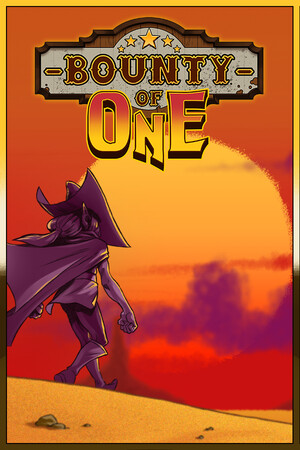
Item names and availability can change between PC, beta, DLC, and mobile builds. The source list below separates the official Steam description and update material from a community-maintained object index. Where a complete current effect or platform-specific unlock could not be verified, this guide
Fast answer
The answer before the background
The practical split is simple: collect Sheriff and Deputy chests for objects, then choose upgrades whenever you gain a level. Objects change how your attacks, movement, defense, or projectiles behave; upgrades usually improve core statistics such as damage, attack speed, cooldown, range, or survivability. Build around one clear plan, read every item’s drawback before taking it, and treat character starting weapons as separate from the ordinary equipment pool.
How the system works
Objects, upgrades, and starting weapons are different
Bounty of One uses two main run-progression pools. Objects are found in chests dropped by Sheriffs and Deputies. Upgrades are offered when you level up from experience. They may both improve a build, but they are not the same category and should not be tracked as one universal item list.
The Steam store describes the game as having more than 80 different items and says elite and boss loot can change your play style. That total is broader than the older community object index, which lists named chest objects separately from upgrades. This is why guides that claim a small fixed total can look incomplete on newer or different builds.
Each character also has a distinct starting weapon and play style. Do not assume a starting weapon is a normal chest drop, or that an item associated with one hero is available to every hero in the same way.
- Chest object: obtained during a run from Sheriff or Deputy loot.
- Level-up upgrade: selected from the upgrade screen after gaining experience.
- Starting weapon: tied to a character and separate from ordinary equipment.
- Elite or boss reward: a major source of run-changing loot.
| System | How you get it | Best way to use it |
|---|---|---|
| Objects | Collect dropped chests | Choose effects that reinforce your attack pattern or cover a weakness. |
| Upgrades | Gain experience and level up | Prioritize a small number of high-value stats instead of spreading upgrades evenly. |
| Starting weapons | Choose a character | Build around the weapon’s movement, projectile, or attack rule from the opening seconds. |
| Boss and elite loot | Defeat stronger enemies | Use the reward to pivot only when its benefit is stronger than your current plan. |
The community object index explicitly says objects come from chests and should not be confused with upgrades from leveling. The Steam store separately confirms equipment, elite and boss loot, and more than 80 items overall.
Reference list
Known object names by role
The following names come from the maintained community object index. They are useful as a reference for the older PC object pool, but they are not presented as a guaranteed complete list for every current platform or DLC combination. The index contains some entries that are clearly not ordinary equipment, so use the in-game description as the final authority.
Defensive and recovery effects are especially valuable for learning runs because they give you room to make movement mistakes. Offensive and projectile effects are stronger when your character already has reliable positioning and enough damage to handle the next wave.
- Attack and projectile-focused examples: Bowgun, Bullet Storm, Corkscrew Bullet, Guidance System, Hawk Eye, Little Friend, Sheriffken, Spring-Bullets, Triple shot, Warning Shots, and Thunder Dance.
- Movement and dash-focused examples: Adrenaline, Hero Landing, Nitro Suit, Reckless Rush, Soothing Escape, Steam Boots, and Valiant Heart.
- Defense and survival examples: Emergency Kit, Mezcal Mantle, Plot Armor, Shield, True Survivor, and Dark Revenge.
- Utility, economy, or unusual-behavior examples: Bronze Loaded Die, Golden Loaded Die, Silver Loaded Die, Gluttony, Magnetized Horseshoe, Onion, Proud Magnet, Tequila Bottle, Tesla Field, and Three is the magic number.
- Character- or theme-linked names in the index include Dirty Nigel, Mighty Mezcal Staff, Ninja, Nitro’crit, and Parting Gift. Their current effects should be checked in-game before planning a build around them.
| Build need | What to look for | Use case |
|---|---|---|
| Reliable damage | Damage, attack speed, projectile count, pierce, or targeting | Best for characters that already have safe movement and want faster wave clear. |
| Area control | Effects that add explosions, fields, bouncing shots, or extra projectiles | Useful when enemies surround you or when a boss leaves little room to aim. |
| Survival | Shield, healing, dash support, or damage avoidance | Recommended for first clears, high-pressure modifiers, and close-range weapons. |
| Collection and economy | Magnet, chest, luck, or reward-oriented effects | Good when the run is stable and you can afford to trade immediate damage for scaling. |
A name such as Shield or Hawk Eye suggests a role, not an exact current numerical effect. Balance values and wording can change, so the in-game tooltip outranks an old list.
Practical route
How to collect and use equipment efficiently
Start by identifying what your character already does well. A character with strong starting damage usually benefits more from movement, cooldown, projectile coverage, or defense than from taking several nearly identical damage effects. A character with a slow or awkward weapon may need targeting, area control, or attack-speed support first.
During the opening minutes, prioritize safe experience collection and chest access over risky detours. Defeating the enemies that produce chests is the direct route to objects, while ordinary enemies help you reach level-up choices. If a chest reward is powerful but introduces a severe drawback, compare it with the build’s actual bottleneck rather than its rarity or visual appeal.
When two items compete, ask three questions: Does this improve the next wave? Does it work with my character’s movement rule? Does the drawback become dangerous against bosses? This prevents a flashy projectile effect from weakening your attack speed, mobility, or ability to aim when those are carrying the run.
In co-op, agree on who benefits most from a drop before collecting it. The official description emphasizes sharing loot intelligently, and an item that completes one player’s build can be less useful on another player with a different weapon pattern.
- Take one or two upgrades that solve your immediate weakness before chasing a complicated synergy.
- Pair projectile modifiers with attack-speed or cooldown improvements only when the result remains controllable.
- Use defensive equipment to protect a successful run, not only after the build is already failing.
- Recheck the tooltip after patches, DLC updates, or switching between PC and mobile.
| Situation | Recommended priority | Why |
|---|---|---|
| Early run | Reliable damage or movement | You need to clear enemies and reach chests without losing health. |
| Stable mid-run | Synergy and coverage | This is the safest time to add unusual effects or economy tools. |
| Before a boss | Defense, targeting, and consistent damage | A build that looks strong against crowds may struggle against a single durable target. |
| Learning a new character | Simple, low-risk upgrades | Understanding the starting weapon is more valuable than forcing a complex combo. |
There is no verified universal best item. The strongest choice depends on character, difficulty, modifiers, co-op role, and the exact version’s balance values.
Platform notes
Why item lists disagree
The PC store page advertises more than 80 items, but the community object category is an older, narrower index of chest objects. Official mobile release notes also show later additions such as Magic Mushroom, Spirit Gathering Staff, Thunder Tome, Active Recovery, and other platform-specific content. Those notes confirm that the mobile catalog has changed over time, but they do not prove that every listed item exists in the current Steam build.
For a dependable lookup, open the in-game encyclopedia or item tooltip in the build you are playing. Use external lists to find names and broad roles, then verify the effect, unlock condition, and availability locally. This is especially important for DLC, beta branches, and ports.
- Treat Steam and mobile as separate catalogs unless a source explicitly confirms parity.
- Treat beta-branch notes as historical or test information, not automatic proof of the live build.
- Use the exact tooltip for numerical values, drawbacks, and unlock text.
- Report a missing or renamed item with the platform and game version so the discrepancy can be reproduced.
A complete, current, platform-neutral database could not be verified from the available official material. This guide therefore separates confirmed acquisition rules from recommendations and avoids inventing effects or drop rates.
FAQ
Common questions
How do I get objects during a run?
Objects are obtained from chests dropped by Sheriffs and Deputies. Defeat those enemies, collect the chest, and read the offered item before committing to it.
Are upgrades the same as objects?
No. Objects are chest rewards, while upgrades are offered through leveling. Both affect the run, but they belong to different progression systems.
What should I choose first?
Choose the option that solves your current problem: damage or attack speed for slow clears, movement or defense for frequent hits, and targeting or area coverage when enemies are overwhelming you.
Is there one complete list for every platform?
Not reliably. The Steam page advertises more than 80 items, the community object index covers a narrower group, and mobile release notes document additional content. Check the encyclopedia in your own build for final confirmation.
Do character starting weapons count as ordinary equipment?
They are separate in practice. Each character has a distinct starting weapon and play style, so build choices should begin with that weapon’s rules rather than assuming it is a normal chest item.
Sources
What we checked
Official listings establish current availability and product facts. Community pages are used for mechanics and build history, then labeled separately.
- OfficialBounty of One on Steam: official store description and item count
- CommunityBounty of One Wiki: Objects category and acquisition distinction
- ReferenceSteamDB mirror of developer update: object examples and encyclopedia notes
- OfficialApple App Store: mobile version history and mobile item additions